There are topics that feature on almost every organisation’s agenda, yet still raise major questions. Sustainability is one of them. How do we approach it? What do we need, and who do we need to involve? More organisations are realising that sustainability is not a marketing narrative, but a strategic choice that shapes both their future and the future of the world. It requires a different way of thinking about tomorrow, and above all, action today.
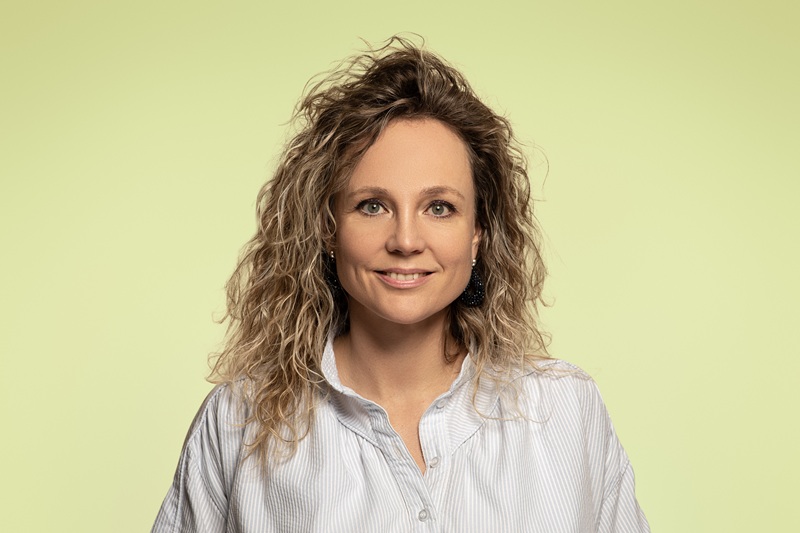
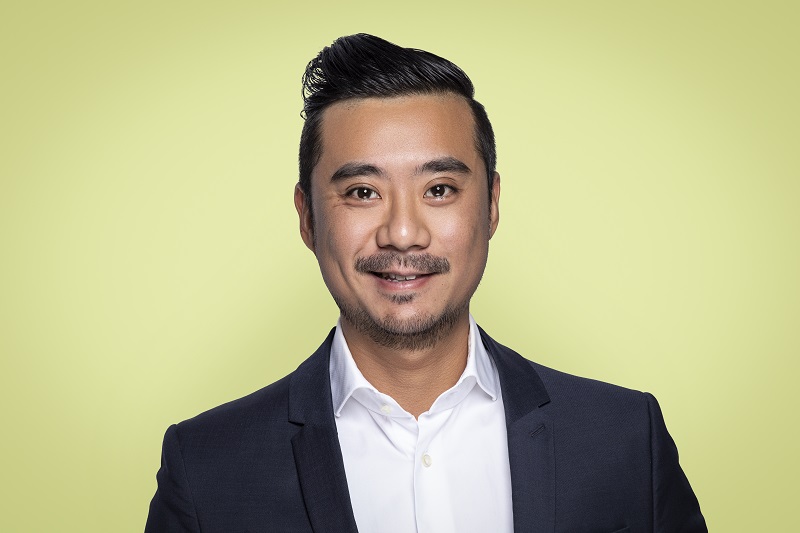
Mariska Schennink (Senior Manager Sustainability Services) and Ming Ly (Director Interim Financials) work on this transition every day. Moving from commercial thinking to value creation, from obligation to conviction, and from isolated initiatives to structural choices. In this interview, they share their perspective on sustainability, from small steps to big ambitions, and the importance of shared responsibility.
Why is sustainability important to you?
Mariska: “In twenty years, I don’t want to have to tell my children: ‘I knew the world was heading in the wrong direction, but I didn’t act.’ That’s not going to be my answer. That’s what drives me. At the same time, I see clear business opportunities. Organisations that truly embrace sustainability are more future-proof. Not as a box-ticking exercise, but because it is embedded at their core.”
Ming: “I believe sustainability is a shared responsibility, between governments, organisations and individuals. Everyone has influence in their own way. We can already see the effects of climate change all around us. You can’t ignore that. We all have a role to play. You simply can’t turn a blind eye to a changing world. As a responsible business owner, this should matter to you. It really is that straightforward.”
-mariska-ming.png)
Where does Baker Tilly stand on this topic?
Ming: “The ambition to integrate sustainability more fully has been there for some time. You could already see that in individual initiatives and in the questions colleagues were raising. We are now moving towards a more strategic approach and have already made significant progress.”
Mariska: “Sustainability is not a quick fix. It’s not something you can tick off and move on from. The same applies to us. We have developed a solid strategy and reduction plan. We are transitioning to an electric vehicle fleet, working towards a position on the CO₂ Performance Ladder, gaining better insight into our emissions, and setting up social return initiatives. Our goal is for sustainability to become a natural part of both our strategy and our day-to-day operations. Practising what you preach is essential.”
How do businesses view sustainability?
Ming: “Some entrepreneurs still take a traditional view: ‘just give us a checklist and we’ll be sustainable.’ But it doesn’t work like that. It requires experimentation, continuous progress, and a shift in mindset.
At the same time, we also see organisations that are further ahead. For example, the central government increasingly applies sustainability criteria in procurement, and suppliers are expected to meet CSR requirements.”
Mariska: “We are seeing a clear shift. Where sustainability was once driven mainly by regulation, there is now growing awareness that it should be at the heart of business strategy and focused on delivering real impact. It is no longer about compliance, but about embedding sustainability across the company.
Across sectors, the demand for sustainability is increasing. In tenders, for instance, but also in the labour market, where people are drawn to organisations that take sustainability seriously. Although the CSRD requirement no longer applies to a large group of organisations, the urgency remains. Organisations that act now are building a competitive advantage on several fronts.”
Ming: “We also see conversations with clients shifting from ‘what does it cost?’ to ‘what value does it create for us?’. Financial performance remains important, of course, but businesses are increasingly taking their impact into account and how they are perceived by employees and external stakeholders. That is a positive development.”
What role does leadership play in the transition?
Mariska: “Future-proof organisations are built by leaders who look beyond the short term. Leaders who are willing to focus on both financial and non-financial performance. They create environments where people want to develop, collaborate and stay, because they believe in the organisation’s purpose and sustainable mission. Sustainability is also a key factor in attracting talent. People consciously choose employers that contribute to a better world."
Ming: “I completely agree with Mariska. Management plays a crucial role in bridging strategy and execution. People need vision, direction and practical guidance. Not because they lack motivation, but because they want to understand what they are contributing to. Leaders are essential in translating strategy into day-to-day practice.”
I see sustainability as a shared responsibility between governments, organisations and individuals. - Ming Ly
What does this moment demand from organisations that are already working on sustainability?
Mariska: “The world is changing rapidly, with multiple developments unfolding at once. Organisations need to be agile, able to respond quickly and adapt continuously. That places high demands on people, and therefore on leadership. Leaders need to build the future together with their teams. This requires co-creation, mobilising people around a clear long-term vision, and the ability to think beyond conventional boundaries. This is also reflected in how you build your team. We often say: hire people not just for their current skills, but for their potential.”
Ming: “It also takes courage. Leaders need to be willing to change. Not waiting for everything to be perfect but being open to making mistakes and empowering their people. These capabilities are essential to truly embed sustainability within an organisation.
We see that many organisations have already taken meaningful steps in sustainability, but find it challenging to move to the next phase. Defining a clear strategy, measuring impact and translating it into a concrete roadmap can be complex. That’s exactly when an external perspective can add real value. At Baker Tilly, we have the expertise to provide tailored advice, helping leaders take the next steps with confidence.”
What is your hope for the future?
Ming: “I hope that, in the future, we no longer talk about sustainability as a goal, but as a given. Driven by leaders who already dare to make different choices today.”
Mariska: “My hope is that, in a few years, sustainability will no longer feel like an obligation, but something organisations have consciously embraced out of a sense of responsibility and a willingness to keep learning. That people will have developed the skills needed to keep organisations agile and future-proof. That collaboration will extend beyond organisational boundaries. And that we will look back at our first integrated annual reports and say: yes, we did it.”